
Buddha Air Banaras Package – Experience the Spiritual Soul of Varanasi
Some journeys are about discovering new places, while others are about discovering yourself. A visit to Varanasi—also known as Banaras or Kashi—is one of those rare experiences where spirituality, history, culture, and devotion come together in a way that leaves a lasting impression. Choosing a Buddha Air Banaras Package makes this sacred journey even more convenient by combining air travel with comfortable accommodation, local transfers, and guided sightseeing for a seamless pilgrimage experience. Package inclusions typically combine flights, hotel stays, airport transfers, and sightseeing, though exact services vary by departure city and itinerary.
Whether you’re planning your first pilgrimage, traveling with family, or seeking a peaceful spiritual retreat, this package removes the stress of planning every detail separately. Instead of worrying about transportation, hotel bookings, or local logistics, you can focus on what truly matters—immersing yourself in the timeless atmosphere of one of the world’s oldest continuously inhabited cities.
Why Travelers Choose This Package
Flying significantly reduces travel time compared with long road or rail journeys, making the trip especially attractive for families, working professionals, and senior citizens. Airport assistance, hotel transfers, and organized sightseeing also make the experience smoother and more comfortable.
Many travelers appreciate the convenience of having transportation arranged in advance, allowing them to explore the city’s sacred temples and ghats without navigating unfamiliar routes or local transport.
Highlights of the Experience
- Comfortable flight connectivity
- Hotel accommodation
- Airport transfers
- Temple sightseeing
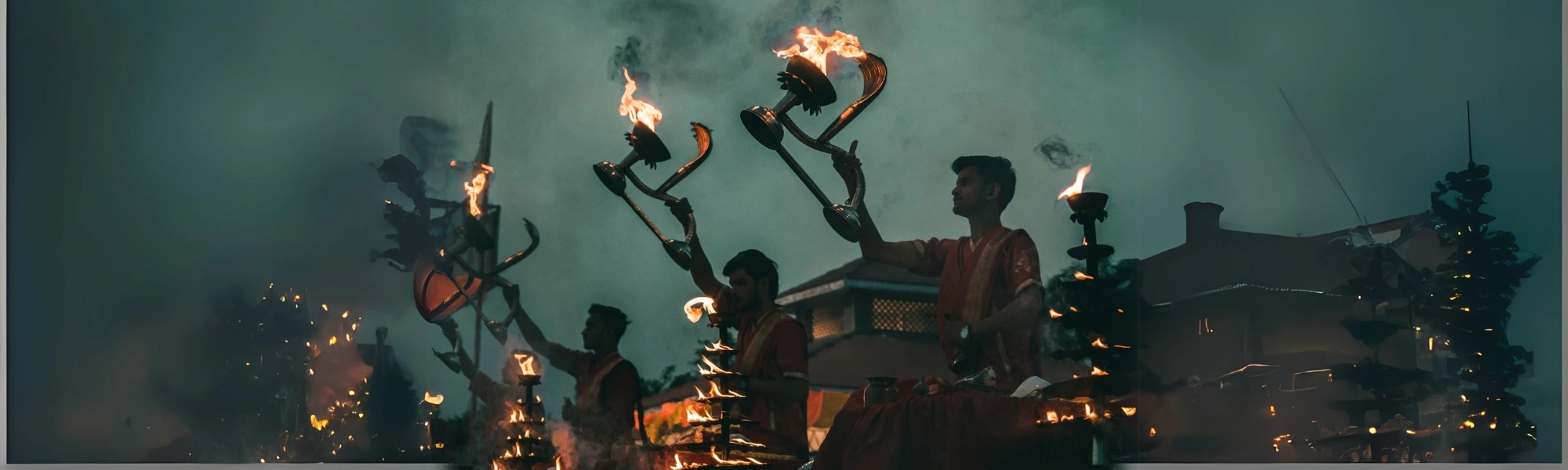
- Evening Ganga Aarti
- Spiritual atmosphere
- Local cultural experiences
- Time-efficient itinerary
- Family-friendly travel
Why Varanasi Holds Extraordinary Religious Importance
Varanasi is revered as one of Hinduism’s holiest cities and is closely associated with Lord Shiva. Millions of devotees visit each year believing that a pilgrimage here brings spiritual fulfillment and, according to Hindu tradition, liberation from the cycle of birth and death.
The city’s sacred ghats along the River Ganga are central to daily rituals. Sunrise boat rides reveal priests performing ancient ceremonies, pilgrims taking holy dips, and the city awakening to devotional chants. Evenings are equally captivating, with the famous Ganga Aarti filling the riverfront with synchronized lamps, Vedic hymns, and an unforgettable spiritual atmosphere.
Beyond Hindu heritage, nearby Sarnath holds immense significance for Buddhists as the place where Gautama Buddha delivered his first sermon after attaining enlightenment.
A Blend of Spirituality and Living Heritage
Varanasi is more than a pilgrimage destination—it is a living museum of Indian civilization. Narrow lanes are lined with centuries-old temples, silk weaving workshops, traditional sweet shops, music schools, and vibrant markets.
Visitors can experience:
- Traditional Banarasi silk craftsmanship
- Local street food
- Ancient temples
- Historic ghats
- Classical music traditions
- Sacred rituals
- Cultural heritage walks
Best Time to Visit
The ideal time to explore Varanasi is between October and March, when pleasant weather makes temple visits, walking tours, and river cruises more enjoyable. Festivals such as Dev Deepawali, Mahashivratri, and Kartik Purnima add exceptional cultural and spiritual vibrancy, though they also bring larger crowds.
Local Food Worth Trying
No visit is complete without tasting Banaras’ renowned cuisine. Popular favorites include:
- Kachori Sabzi
- Tamatar Chaat
- Banarasi Paan
- Malaiyyo (winter specialty)
- Jalebi
- Rabri
- Lassi
- Baati Chokha
Shopping in Banaras
The city’s bustling markets are famous for handcrafted Banarasi silk sarees, wooden toys, brass idols, religious souvenirs, rudraksha malas, incense, and traditional handicrafts—ideal keepsakes or gifts from your pilgrimage.
Helpful Travel Tips
- Wear modest clothing while visiting temples.
- Carry comfortable walking shoes for exploring narrow lanes.
- Start temple visits early to avoid crowds.
- Keep small cash denominations for local purchases.
- Stay hydrated, especially during warmer months.
- Respect photography restrictions inside religious sites.
- Allocate time for both sunrise and evening experiences along the Ganga to appreciate two very different sides of the city.
Buddha Air Banaras Package: Detailed 4-Night, 5-Day Itinerary
Morning: Departure from Kathmandu
Your spiritual journey begins at Tribhuvan International Airport in Kathmandu. Arrive at the airport at least three hours before the scheduled international departure so that you have enough time for check-in, immigration and security formalities.
The direct flight to Varanasi makes this package particularly convenient for families, senior citizens and pilgrims who want to avoid a long overland journey. Keep your passport, flight ticket, hotel confirmation and required travel documents easily accessible throughout the airport process.
Travel Experience
The flight between Kathmandu and Varanasi connects two deeply spiritual destinations. Kathmandu is known for its living temple traditions, while Varanasi represents one of India’s most important centres of Hindu faith, ritual and sacred learning.
Flight schedules can vary by travel date, so the reporting time and baggage allowance should always be checked on the final ticket.
Afternoon: Arrival and Hotel Transfer
After landing at Lal Bahadur Shastri International Airport, meet the local representative outside the arrival area. You will then travel by private, air-conditioned vehicle to your hotel in Varanasi.
Approximate airport-to-hotel travel time: 45–75 minutes
Transportation: Private car, SUV or tempo traveller, depending on group size
Helpful note: Travel may take longer during festivals, weekends and evening traffic.
After check-in, take some time to freshen up and rest. A light meal is advisable before visiting the ghats, especially when travelling with children or elderly family members.
Evening: Ganga Aarti at Dashashwamedh Ghat
In the evening, proceed towards Dashashwamedh Ghat for the celebrated Ganga Aarti. Priests perform the ceremony with large brass lamps, incense, bells, conch shells and devotional chants as hundreds of visitors gather along the riverfront.
The experience is both visually striking and emotionally moving. Even travellers who are not visiting for religious reasons often find the atmosphere memorable because it brings together faith, music, ritual and the living culture of Varanasi.
Religious Importance
The River Ganga is revered in Hindu tradition as a sacred and purifying river. The evening aarti is an expression of gratitude and devotion to Maa Ganga. Dashashwamedh Ghat is one of Varanasi’s best-known riverfront locations and a central point for evening ceremonies.
Best Viewing Options
You may watch the ceremony:
- From the steps of Dashashwamedh Ghat
- From a pre-arranged boat on the river
- From an elevated terrace, where available
A boat view usually provides a wider perspective, while watching from the ghat places you closer to the chanting and ritual activity.
Photography Tips
The glowing lamps, priests and reflections on the river create excellent photographic opportunities. Avoid using a strong flash near worshippers or priests. A phone with night mode or a camera with good low-light performance is useful.
Local Food Recommendations
After the ceremony, try a simple vegetarian dinner. Depending on hygiene, dietary preferences and available time, popular Banarasi flavours include:
- Kachori with sabzi
- Tamatar chaat
- Aloo tikki
- Lassi
- Jalebi
- Banarasi paan
Senior citizens and travellers with sensitive stomachs should prefer freshly cooked food from a clean, well-reviewed restaurant.
Walking and Accessibility Notes
Vehicles are restricted in portions of old Varanasi, so reaching the ghat generally involves walking through busy lanes.
Likely walking distance: Approximately 500 metres to 1.5 kilometres, depending on the vehicle drop-off point
Walking conditions: Crowded lanes, uneven surfaces and occasional steps
Senior citizen tip: Request a slower pace, nearby drop-off assistance or wheelchair guidance in advance. Wheelchair movement can be difficult close to the traditional ghats.
Overnight
Return to the hotel for an overnight stay in Varanasi.
Early Morning: Sunrise Boat Ride on the Ganga
Begin before sunrise and travel to the riverfront for a peaceful boat ride along the Ganga. Morning is one of the most atmospheric times to experience Varanasi. The ghats gradually come alive as pilgrims bathe, priests perform rituals, residents exercise and temple bells echo through the old city.
From the water, you can observe a continuous stretch of historic ghats and understand why the river is inseparable from the city’s religious and cultural identity.
Travel Experience
The morning boat ride presents a quieter side of Varanasi than the previous evening. The soft light, river mist and early rituals create a reflective atmosphere that many visitors describe as the emotional highlight of their journey.
Approximate Duration
Hotel-to-ghat transfer: 20–45 minutes
Boat ride: 45–75 minutes
Walking near the ghats: 20–40 minutes
Boat operations depend on river conditions, fog, weather and local authority instructions.
Photography Spots
Good sunrise photography locations include:
Views towards the historic riverfront from the boat
Assi Ghat
Darbhanga Ghat façades
Silhouettes of boats against the sunrise
Morning rituals photographed respectfully from a distance
Photography of cremation ceremonies at Manikarnika or Harishchandra Ghat should be avoided out of respect for grieving families.
Breakfast
Return to the hotel for breakfast before beginning the temple tour.
Late Morning: Kashi Vishwanath Temple
Proceed for darshan at Shri Kashi Vishwanath Temple, one of the twelve Jyotirlingas and one of the most revered temples dedicated to Lord Shiva. The temple stands near the western bank of the Ganga and forms the devotional heart of Kashi.
The surrounding corridor has improved access between the temple area and the river, although security checks and crowds remain part of the experience.
Religious Importance
Devotees believe that a visit to Kashi Vishwanath brings the blessings of Lord Shiva and holds profound spiritual significance. For many pilgrims, this darshan is the principal reason for travelling to Varanasi.
Temple Visit Tips
Wear modest, comfortable clothing.
Carry only essential items.
Electronic devices may be restricted within secure areas.
Follow the instructions of temple security and authorised staff.
Avoid accepting unsolicited “priority darshan” offers.
Visit early when possible to reduce waiting time.
Expect longer queues on Mondays, festivals and auspicious dates.
Approximate visit duration: 1–3 hours, depending on crowds and darshan arrangements
Annapurna Devi Temple
Visit the nearby Annapurna Devi Temple, associated with nourishment, abundance and the maternal form of the goddess. Its proximity to Kashi Vishwanath makes it a natural addition to the temple circuit.
The narrow lanes around the temple provide a vivid glimpse of old Banaras, with flower sellers, devotional shops, small shrines and traditional homes lining the route.
Approximate walking time from the Kashi Vishwanath area: 5–15 minutes, depending on the selected entrance and crowd movement
Afternoon: Sankat Mochan Hanuman Temple
After lunch or a short refreshment break, continue to Sankat Mochan Hanuman Temple. The shrine is closely associated with Goswami Tulsidas and is one of the city’s most loved places of Hanuman worship.
The name “Sankat Mochan” means one who removes difficulties. Devotees commonly offer laddoo and recite the Hanuman Chalisa here.
Helpful Notes
Security is strict, and phones, cameras or bags may not be permitted within the temple premises. Follow the current on-site instructions.
Approximate visit duration: 30–60 minutes
Durga Kund Temple
Continue to Durga Kund Temple, popularly called the Durga Temple. The red-painted shrine is dedicated to Goddess Durga and stands beside a sacred water tank known as Durga Kund.
The temple is especially lively during Navratri and other festivals associated with the goddess.
Photography
The exterior architecture and the adjoining kund may be photographed where permitted. Ask before photographing worshippers or ritual activity.
Banaras Hindu University and New Vishwanath Temple
Travel through the spacious campus of Banaras Hindu University, an important educational institution established in the early twentieth century. The university environment offers a noticeable contrast to the dense lanes of old Varanasi.
Visit the New Vishwanath Temple within the campus if time permits. Its broad walkways and more open setting can make it easier to access for elderly travellers than many temples in the old city.
The package page also refers to Bharat Kala Bhavan Museum. Entry should remain subject to its current operating days, timings and ticket rules.
Approximate Transportation Time
The temple circuit may involve 15–40 minutes of driving between locations, depending on traffic. Auto-rickshaws, e-rickshaws and walking may be used in areas where larger vehicles cannot enter. The Varanasi district administration notes that vehicle movement is restricted on some old-city temple and market routes.
Optional Spiritual Activity
Travellers wishing to perform a Shraddha, Pind Daan or another ancestral ritual should request arrangements before arrival. The ceremony should be organised through a trusted priest with clearly agreed charges, inclusions and location.
Evening: Leisure or Heritage Walk
Return to the hotel to rest, or take an optional guided walk through old Varanasi. A well-planned heritage walk may introduce travellers to:
Traditional akharas
Small neighbourhood shrines
Flower and spice markets
Banarasi music traditions
Old residential lanes
Local sweet shops
Shopping Opportunities
Browse for:
Rudraksha malas
Brass puja items
Religious books
Incense
Small idols
Traditional wooden crafts
Purchase sacred items only from reputable stores and ask for a receipt when buying higher-value products.
Overnight
Return to the hotel for breakfast-inclusive overnight accommodation.
Morning: Drive to Sarnath
After breakfast, travel to Sarnath, located approximately 10 kilometres northeast of Varanasi. It was here, in the ancient Deer Park, that Gautama Buddha delivered his first sermon after attaining enlightenment and where the early Buddhist Sangha was established.
Approximate travel time from central Varanasi: 30–60 minutes
Transportation: Private air-conditioned vehicle
Recommended departure: Between 8:00 and 9:00 a.m.
Travel Experience
Sarnath feels calmer and more spacious than central Varanasi. Landscaped grounds, monastic architecture and archaeological remains create a contemplative environment. The excursion also reveals how closely Hindu and Buddhist heritage coexist within the wider cultural geography of Varanasi.
Dhamek Stupa
Begin at Dhamek Stupa, the monumental structure associated with the place where Buddha taught the Dharma to his first disciples.
Spend time observing its scale, stone patterns and quiet surroundings. The site is best experienced without rushing, particularly for travellers interested in Buddhist philosophy, archaeology or meditation.
Religious Importance
Sarnath is among Buddhism’s most sacred destinations because it represents the beginning of Buddha’s teaching mission. The event is traditionally understood as the “turning of the Wheel of Dharma.”
Photography
The open archaeological landscape and Dhamek Stupa are excellent for wide-angle photographs. Morning light is generally more comfortable and less harsh.
Chaukhandi Stupa
Visit Chaukhandi Stupa, traditionally associated with the place where Buddha met his first five disciples on arriving near Sarnath.
The structure illustrates how the landscape developed across different historical periods. Its elevated form makes it an interesting architectural stop and photography location.
Mulagandha Kuti Vihara and International Monasteries
Continue to Mulagandha Kuti Vihara and, subject to time, visit selected monasteries established by Buddhist communities from countries such as Thailand, Japan, Tibet or Sri Lanka.
These monasteries offer different architectural interpretations of Buddhist tradition. Visitors may encounter meditation halls, murals, prayer wheels, statues and gardens.
Etiquette
Remove footwear where instructed.
Speak softly in prayer and meditation areas.
Dress modestly.
Do not touch murals, statues or ritual objects.
Ask permission before photographing monks.
Avoid interrupting chanting or meditation sessions.
Sarnath Archaeological Museum
The Sarnath Museum preserves artefacts excavated from the ancient site and is especially known for the Lion Capital of Ashoka, the model adopted as India’s national emblem.
The museum is regarded as the oldest site museum of the Archaeological Survey of India. Its inclusion should remain subject to current opening days, entry rules and security regulations.
Suggested visit duration: 45–75 minutes
Historical Context
The collection helps travellers connect Sarnath’s religious meaning with its archaeological history. Sculptures, inscriptions and architectural fragments show how Buddhist art and patronage evolved over centuries.
Afternoon: Lunch and Return to Varanasi
Enjoy a vegetarian lunch in Sarnath or return to Varanasi for a wider choice of restaurants.
Suitable dishes may include:
Dal, rice and seasonal vegetables
Paneer preparations
Roti or naan
Khichdi for a lighter meal
South Indian food
Simple Nepali-friendly vegetarian meals on request
Travellers should inform the tour operator in advance about allergies, Jain meals, no-onion-and-garlic food or other dietary requirements.
Late Afternoon: Banarasi Silk and Handicraft Shopping
Spend the latter part of the day exploring Varanasi’s famous silk and handicraft traditions. Banarasi sarees are known for elaborate weaving, rich borders and zari work.
A visit to a reputable weaving workshop can be more meaningful than a simple showroom visit because travellers can observe the skill and time involved in producing traditional textiles.
Recommended Purchases
Banarasi silk sarees
Silk dupattas and stoles
Brocade fabric
Dress materials
Brassware
Wooden toys
Gulabi Meenakari products
Religious souvenirs
Handmade carpets from the broader Varanasi–Bhadohi region
Smart Shopping Tips
Ask whether the textile is pure silk, blended silk or synthetic.
Request a proper bill.
Compare workmanship rather than purchasing under pressure.
Check return, alteration and shipping policies.
Be cautious of unusually low prices for products advertised as pure handwoven silk.
Photography Opportunities
With permission, weaving workshops provide memorable photographs of handlooms, coloured threads and artisans at work. Do not photograph proprietary designs without consent.
Evening: Optional Cultural Experience
The evening may be kept free for rest or used for one of the following optional experiences:
Classical music performance
Guided food walk
Second visit to the ghats
Quiet time at Assi Ghat
Café overlooking the river
Short heritage walk
A second visit to the riverfront often feels different from the first because travellers are more familiar with the pace and layout of the city.
Overnight
Return to the hotel for an overnight stay in Varanasi.
The package lists Bodh Gaya as an optional upgrade, rather than an automatically included activity. Travellers should confirm the supplementary price, vehicle type, departure time, entry costs and meal arrangements before booking it.
Option A: Full-Day Bodh Gaya Excursion
Early Morning: Departure from Varanasi
Leave the hotel very early, preferably between 4:30 and 5:30 a.m., for the road journey to Bodh Gaya in Bihar.
The package page estimates approximately four to five hours each way, although the actual journey can be longer depending on traffic, road conditions, stops and the location of the hotel.
Transportation: Private air-conditioned vehicle
Recommended preparation: Carry water, light snacks, travel pillows and required medication.
Senior citizen note: A same-day return involves a long period in the vehicle and may be tiring.
Travel Experience
The journey passes through the plains of eastern Uttar Pradesh and Bihar. It is an intensive travel day, but it links two defining locations in the life of Buddha: Sarnath, associated with his first sermon, and Bodh Gaya, associated with his enlightenment.
Late Morning or Midday: Mahabodhi Temple Complex
On arrival, visit the Mahabodhi Temple Complex, a UNESCO World Heritage Site and one of the most sacred places connected with the life of Gautama Buddha. The site marks the place where Buddhist tradition holds that he attained enlightenment.
The present temple reflects centuries of religious and architectural history. The site is not simply a monument; it remains an active international pilgrimage centre where visitors may hear chanting in several languages.
Religious Importance
Bodh Gaya represents enlightenment—the moment Siddhartha Gautama became the Buddha. Pilgrims come from around the world to meditate, chant and sit quietly near the sacred Bodhi Tree.
Bodhi Tree and Vajrasana
Spend reflective time near the Bodhi Tree and the Vajrasana, or Diamond Throne, associated with Buddha’s meditation and enlightenment.
Silence and patience improve the experience. Even when the complex is busy, it is possible to find moments of stillness.
Temple Etiquette
Dress modestly.
Maintain silence near meditation areas.
Follow current security procedures.
Keep belongings secure.
Avoid blocking pathways while taking photographs.
Do not disturb people meditating.
Confirm current rules concerning phones, cameras and bags.
The official temple website states that the complex opens daily, but hours and ceremonial schedules should be reconfirmed close to the travel date.
Afternoon: International Monasteries
After lunch, visit a selection of international Buddhist monasteries, subject to available time. Their architecture reflects traditions from countries including:
Thailand
Japan
Bhutan
Tibet
Myanmar
Vietnam
This creates a valuable cross-cultural experience and shows the global reach of Buddhist practice.
Food Recommendations
Choose a clean restaurant near the pilgrimage area. Bodh Gaya offers Indian, Tibetan and other Asian vegetarian food.
Popular choices include:
Thukpa
Momos
Fried rice
Dal and rice
Vegetable curry
Tibetan bread
Tea or fresh lime water
Avoid very heavy food before the return drive.
Shopping Opportunities
Small shops around Bodh Gaya sell:
Prayer flags
Singing bowls
Buddha statues
Meditation beads
Books on Buddhism
Incense
Handcrafted souvenirs
Purchase responsibly and avoid objects claimed to be genuine antiquities.
Evening: Return to Varanasi
Begin the return journey without unnecessary delay. Arrival at the hotel may be late in the evening.
Helpful note: This is a demanding day involving eight to twelve hours of total road travel. Families with small children, elderly travellers and anyone with mobility or back problems may prefer an overnight Bodh Gaya extension instead of a same-day round trip.
Option B: Relaxed Varanasi Heritage and Local Experience
Travellers who do not select the Bodh Gaya upgrade can enjoy a slower and more locally immersive day in Varanasi.
Morning: Assi Ghat and Southern Varanasi
Visit Assi Ghat, a popular riverfront area known for morning spiritual and cultural activities. Spend time walking along the ghat, having breakfast nearby or observing local life.
Possible experiences include:
Morning prayers
Yoga sessions
River views
Tea at a local stall
A gentle riverside walk
Late Morning: Weaver Neighbourhood or Craft Experience
Visit a traditional weaving area to learn how Banarasi textiles are produced. A knowledgeable guide can explain yarn preparation, pattern development, zari work and the difference between handloom and power-loom products.
Afternoon: Food and Heritage Walk
Explore selected lanes with a local guide and taste freshly prepared specialities from trusted vendors.
Possible tastings include:
Kachori sabzi
Chooda matar in season
Tamatar chaat
Malaiyyo during winter
Lassi
Traditional sweets
Food walks should be adapted to hygiene preferences and dietary restrictions.
Optional Nearby Attractions
Depending on interest and travel time, the day may also include:
Bharat Mata Temple
Ramnagar Fort
Tulsi Manas Temple
Deendayal Hastkala Sankul
A curated ghats walk
A classical music or cultural session
Evening: Sunset by the Ganga
End the day with a quieter riverfront visit. Choose a less crowded ghat or take a short sunset boat ride, subject to weather and river conditions.
Overnight
Return to the hotel for your final night in Varanasi.
Morning: Breakfast and Free Time
Enjoy breakfast at the hotel and use the morning for rest, packing or a final short walk, depending on the flight schedule.
Travellers with an afternoon departure may visit a nearby market or temple, but the plan should remain flexible. Varanasi traffic can be unpredictable, and international passengers should not schedule distant sightseeing close to the airport reporting time.
Last-Minute Shopping
Suitable final purchases include:
- Sealed packets of local sweets
- Banarasi paan ingredients, where travel rules permit
- Silk stoles
- Small brass souvenirs
- Rudraksha malas
- Religious books
- Incense
- Handcrafted gifts
Check airline baggage rules before purchasing liquids, large statues or fragile products.
Hotel Check-Out
Complete the hotel check-out and verify that you have collected:
- Passport
- Flight ticket
- Mobile phone and charger
- Wallet
- Medication
- Purchases
- Hotel receipts
- Any stored valuables
Transfer to Varanasi Airport
Travel by private vehicle to Lal Bahadur Shastri International Airport.
Recommended departure from the hotel: At least 3.5–4.5 hours before the international flight, depending on traffic and airline reporting requirements
Approximate road travel time: 45–75 minutes
Transportation: Private air-conditioned transfer
Helpful Airport Notes
- Keep passport and ticket ready.
- Confirm terminal and flight status.
- Recheck baggage allowance.
- Pack fragile souvenirs carefully.
- Keep prescribed medicine in hand luggage.
- Retain bills for higher-value purchases.
- Do not carry restricted temple offerings, liquids or sharp ritual items in cabin baggage.
Return Flight to Kathmandu
Board the return Buddha Air flight to Kathmandu, concluding a journey that brings together the sacred ghats of Varanasi, the Shiva tradition of Kashi, the Buddhist heritage of Sarnath and—when selected—the enlightenment landscape of Bodh Gaya.
The package is designed to offer more than a checklist of monuments. It gives travellers time to witness sunrise on the Ganga, participate in living traditions, understand two major religious histories and return home with a deeper connection to the spiritual heritage shared by Nepal and India.
Important Itinerary Notes
- Flight timings are subject to the airline’s operational schedule.
- The Bodh Gaya excursion is an optional upgrade unless expressly included in the booking confirmation.
- Hotel category is described on the package page as the best available three-star or four-star accommodation.
- Temple darshan depends on crowds, security rules, festivals and local administration.
- Boat rides depend on weather, fog, water level and government permission.
- Museum visits depend on opening days and current ticketing rules.
- Meals, entrance fees and guide services should be itemised in the final quotation because the package page contains broad inclusion statements that may not clearly distinguish standard services from optional ones.
- Walking is unavoidable in parts of old Varanasi because larger vehicles cannot enter several temple, market and ghat routes.
- Travellers requiring a wheelchair, low-floor vehicle, ground-floor room, oxygen support or special meals should request these services before payment.
- Distances and travel times are approximate and may vary considerably during festivals, religious events and peak tourism periods.
Frequently Asked Questions
General
The package currently includes return Buddha Air flights between Kathmandu and Varanasi, hotel accommodation, daily breakfast, airport transfers, sightseeing transportation, guided temple visits and a sunrise boat ride on the Ganga. The published page also mentions meals, local tours and entry fees. However, travellers should request a written inclusion sheet before payment because specific meals, museum tickets, boat charges and optional excursions may differ by departure date.
The advertised tour is a 4-night, 5-day Varanasi package. It covers arrival and Ganga Aarti on the first day, a sunrise boat ride and temple tour on the second day, Sarnath on the third day, an optional Bodh Gaya excursion or free day on the fourth day, and the return flight to Kathmandu on the fifth day. The schedule may be adjusted according to flight timings.
The package page currently displays a starting price of ₹22,999 per adult. This should be treated as an indicative “from” price rather than a guaranteed fare. The final cost can change according to travel dates, Buddha Air ticket availability, hotel category, room occupancy, festival demand, number of passengers and optional activities. Always request a final quotation showing taxes, inclusions and exclusions before confirming the booking.
Yes. The published package highlights return airfare on the Kathmandu–Varanasi–Kathmandu route with Buddha Air. Since airline schedules and fares can change, the exact flight number, departure time, baggage allowance and ticket conditions should be confirmed on the issued ticket. Travellers should also check whether the quoted airfare includes all airport taxes and whether the ticket is refundable or changeable.
The package is designed around Buddha Air connectivity between Kathmandu and Varanasi. Whether a direct service operates on your specific travel date should be verified before booking because airline routes and operating days may change. Buddha Air currently lists both Kathmandu and Varanasi among the destinations available through its booking system. Ask the operator to share the confirmed itinerary and flight duration before making payment.
Travellers arrive at Lal Bahadur Shastri International Airport, commonly identified by the airport code VNS. It is located outside central Varanasi, and the road transfer to the hotel usually takes around 45–75 minutes. Travel time may be longer during peak traffic, religious festivals or major events. The package includes an airport pickup and departure transfer according to the published itinerary.
Travellers should carry the original identity and travel documents required for their nationality and the Nepal–India journey. Requirements can differ for Nepali citizens, Indian citizens and foreign passport holders. Carry your passport or accepted government-issued identification, flight ticket, hotel confirmation and any applicable visa or permit. Confirm the latest immigration requirements with the airline and relevant authorities before departure rather than relying only on package information.
The page promises accommodation in a well-rated, best-available three-star or four-star hotel, but it does not currently name a specific property. Before booking, ask for the proposed hotel name, room category, meal plan, distance from the ghats, lift availability, check-in time and cancellation terms. Families and senior citizens should also confirm whether adjoining rooms, extra beds, accessible rooms or lower-floor accommodation can be arranged.
Daily breakfast is specifically mentioned in the package highlights, while the existing FAQ also states that meals at local restaurants are included. Because these descriptions are not fully itemised, travellers should ask whether lunch and dinner are provided every day or only during selected excursions. The booking voucher should clearly state the number of breakfasts, lunches and dinners, along with any dietary arrangements requested in advance.
Yes. Vegetarian food is widely available throughout Varanasi, particularly around temples, pilgrimage areas and major hotels. Travellers can find simple thalis, dal, rice, roti, paneer dishes, khichdi and local snacks. Jain food and meals without onion or garlic may also be arranged when requested early. People with allergies, diabetes or sensitive digestion should inform the operator and hotel before travelling.
Popular local specialities include kachori sabzi, tamatar chaat, lassi, jalebi, rabri, baati chokha, Banarasi paan and seasonal malaiyyo during winter. Street food is part of the city’s appeal, but choose busy, clean vendors where food is prepared fresh. Travellers with children, elderly family members or sensitive stomachs may prefer tasting these dishes through a guided food walk or a reputable restaurant.
Yes. The first day of the itinerary includes an evening visit to the famous Ganga Aarti at Dashashwamedh Ghat. The ceremony features devotional chanting, incense, bells and large ceremonial lamps offered to the River Ganga. Confirm whether the package includes only transportation and guide assistance or also a reserved boat, rooftop seat or designated viewing arrangement, as these options may carry separate charges.
Yes. A sunrise boat ride on the River Ganga is listed as one of the package highlights. The ride generally offers views of the ghats, temples, morning prayers and daily life along the riverfront. Boat operations depend on weather, water levels, fog and local authority instructions. Ask whether the ride will be private or shared and whether the boat fee is included in the final package price.
The planned temple circuit includes Kashi Vishwanath Temple, Annapurna Devi Temple, Sankat Mochan Hanuman Temple and Durga Kund Temple. The itinerary also includes Banaras Hindu University and references Bharat Kala Bhavan Museum. Actual sightseeing order may change because of traffic, temple queues, security restrictions and opening hours. Darshan time cannot always be guaranteed during festivals or peak pilgrimage periods.
Shri Kashi Vishwanath Temple is dedicated to Lord Shiva and is revered as one of the twelve Jyotirlingas. It is the spiritual centre of Kashi and a principal reason many Hindu pilgrims visit Varanasi. Devotees associate the pilgrimage with Shiva’s blessings and spiritual liberation. Visitors should expect security checks, crowded lanes and possible waiting periods, particularly on Mondays and religiously significant dates.
Priority or special darshan is not clearly listed as a standard inclusion on the package page. Travellers should not assume it is automatically provided. Ask the operator whether regular queue access, authorised Sugam Darshan or any official assistance is included. Avoid paying unofficial agents who promise guaranteed entry. Temple access and waiting times remain subject to security rules, crowd levels and official temple arrangements.
Wear modest, comfortable clothing that covers the shoulders and knees. Loose cotton clothing is practical in warmer weather, while winter mornings may require a sweater or light jacket. Shoes must usually be removed before entering temple areas, so footwear that is easy to take off is helpful. Avoid carrying leather items, large bags or unnecessary electronics when visiting highly secured religious complexes.
Photography rules differ from one temple to another. Phones, cameras, bags and other electronic items may be prohibited inside secure temple areas such as Kashi Vishwanath and Sankat Mochan. Lockers or authorised storage may be available nearby, but it is best to carry as little as possible. Always follow posted instructions and never photograph private rituals, worshippers or restricted areas without permission.
Yes. The third day includes a half-day excursion to Sarnath, located near Varanasi. The itinerary covers Dhamek Stupa, Chaukhandi Stupa, Sarnath Museum and selected international monasteries. Sarnath is important because Buddhist tradition identifies it as the place where Gautama Buddha delivered his first sermon after enlightenment. Museum entry remains subject to its operating schedule and current ticket rules.
No. The full-day Bodh Gaya excursion is described as an optional upgrade. Travellers who select it travel by private vehicle from Varanasi and visit the Mahabodhi Temple, the Bodhi Tree and international monasteries. Ask for the additional price, vehicle type, entry fees, guide service and meal arrangements. The same-day road trip is long, so elderly travellers may prefer an overnight extension.
The package page estimates approximately four to five hours by road in each direction. Actual travel can take longer depending on road conditions, traffic, rest stops and the hotel’s location. A same-day excursion may involve eight to twelve hours of total driving. Travellers with young children, mobility difficulties or back problems should consider whether the journey is suitable before adding it.
Yes, the flight-based itinerary can be more convenient for senior citizens than a long train or road journey. However, old Varanasi includes narrow lanes, crowded areas, steps and unavoidable walking near temples and ghats. Families should request a slower sightseeing pace, lift-equipped hotel, nearby vehicle access and rest breaks. Wheelchair assistance and special darshan arrangements must be confirmed in advance.
The airport, selected hotel and private vehicle may be accessible when suitable arrangements are made, but the entire itinerary is not fully barrier-free. Ghats often have steep steps, old-city lanes can be uneven and crowded, and some temples have restricted vehicle access. Travellers requiring a wheelchair should share exact mobility needs before booking and request realistic confirmation for each attraction, rather than relying on a general accessibility promise.
Yes. Families can enjoy the flight, boat ride, Ganga Aarti, temple visits, Sarnath and local cultural experiences. The main challenge is the early morning schedule, crowding and walking through narrow lanes. Parents should carry water, light snacks, sunscreen, required medicines and comfortable footwear. Small children should remain close to adults near the riverfront, busy markets and temple queues.
Varanasi is a major pilgrimage and tourism destination, but normal travel precautions are important. Keep valuables secure, use arranged transportation, avoid isolated riverfront areas late at night and be cautious around unsolicited guides or agents. Crowded ghats and temple lanes require particular attention to phones, wallets and children. Follow the local guide’s instructions and use only authorised boats and transport services.
For comfortable weather, consider travelling between October and March. This period is popular, so flights and hotels should be booked early, especially around Dev Deepawali, Kartik Purnima, Mahashivratri, New Year and major Nepalese or Indian holidays. Travellers seeking lower prices and fewer crowds may consider shoulder-season dates, while keeping heat, rainfall and river conditions in mind.
Winters are generally cooler and more comfortable for sightseeing, although early morning boat rides can feel cold and fog may occasionally affect visibility or transport. Summers can be very hot, making midday temple visits tiring. The monsoon brings humidity and rainfall, while higher river levels may affect boat operations. Pack according to the season and review the forecast shortly before departure.
A moderate amount of walking is required, particularly near the ghats, Kashi Vishwanath Temple, old-city markets and Sarnath’s archaeological grounds. Vehicles cannot enter every lane, so travellers may walk approximately 500 metres to 1.5 kilometres at a time, sometimes on uneven surfaces. Comfortable, slip-resistant footwear is essential. Guests with mobility limitations should discuss reduced-walking options before confirming the tour.
The page states that comfortable, air-conditioned transportation is included. The actual vehicle may be a car, SUV, van or tempo traveller, depending on the group size. Larger vehicles cannot access some parts of old Varanasi, so e-rickshaws, auto-rickshaws or walking may be necessary near temples and ghats.
Yes. The package FAQ states that experienced guides accompany travellers, and guided temple and cultural experiences are listed among the highlights. Confirm whether the same guide remains with the group throughout the trip or whether separate local guides are used for Varanasi and Sarnath. Also ask which languages are available, particularly when booking for Nepali-speaking travellers or international guests.
Yes. The itinerary mentions an optional Shraddha ceremony for travellers who wish to perform ancestral rites. This should be organised before arrival through a trusted and clearly identified priest or service provider. Ask for the ritual location, duration, required materials, priest’s fee and total cost in writing. Ritual services are normally optional and should not be assumed to be part of the standard package price.
Customisation may be possible depending on flight schedules, hotel availability and the size of the travelling group. Travellers may request additional nights, a slower temple schedule, an overnight Bodh Gaya extension, Ayodhya or Prayagraj visits, upgraded hotels, private boats or special ritual arrangements. Request all changes before booking because last-minute modifications may result in additional costs or may not be operationally possible.
Varanasi is best known for Banarasi silk sarees, brocade fabrics, silk stoles, brass puja items, wooden toys, rudraksha malas, incense, religious books and traditional handicrafts. Purchase higher-value silk products from reputable shops, ask whether the item is handloom or power-loom, and request a proper bill. Avoid pressure purchases and compare quality, weaving and return policies before paying.
The standard itinerary focuses on major attractions, but travellers who skip Bodh Gaya can choose a more relaxed Varanasi day featuring hidden temples, weaving neighbourhoods, traditional food stops and local heritage lanes.
Photography is generally possible from the ghats and boat, but visitors should remain respectful and avoid blocking worshippers. Use low-light settings rather than strong flash during the aarti. Do not photograph cremation rituals or grieving families at Manikarnika and Harishchandra Ghats. River conditions can make boats unstable, so keep cameras secured with a strap and protect equipment from splashes.
Boat rides may be suspended because of fog, strong currents, high water levels, heavy rain or local government instructions. Safety decisions must take priority over the itinerary. Before booking, ask whether a cancelled ride will be rescheduled, replaced with another activity or refunded. The exact remedy should be stated in the package terms because weather-related cancellations may not always result in a cash refund.
The current page does not display a detailed cancellation schedule. Travellers should request written terms showing deductions for cancelling the flight, hotel, transport and optional services. Airline tickets may have separate change and refund rules, and some festival-period bookings may be non-refundable. Do not rely on a verbal assurance; the applicable cancellation policy should appear on the quotation, invoice or booking confirmation.
The refund timeline is not stated on the package page and will depend on the operator’s policy, airline processing, hotel terms and payment method. Ask for the estimated processing period in writing before paying. Refundable amounts should be calculated after applicable airline, hotel, payment gateway and service deductions. Travellers should retain the invoice, payment receipt, cancellation acknowledgement and all correspondence until the refund is completed.
Changes depend on Buddha Air’s ticket conditions and the fare class issued for the booking. Date changes may involve a change fee and fare difference, while passenger name changes are often restricted. Contact the tour operator immediately after noticing an error. Before payment, review every traveller’s name exactly as it appears on the passport or accepted identity document to avoid airport problems.
Submit an enquiry through the package page or contact the tour operator using the published phone or messaging details. Provide the preferred travel date, number of adults and children, nationality, room requirements and any special needs. Before paying, request the final hotel name, flight details, complete inclusions, exclusions, cancellation policy and total price. Confirm the booking only after receiving a written quotation and payment receipt.